
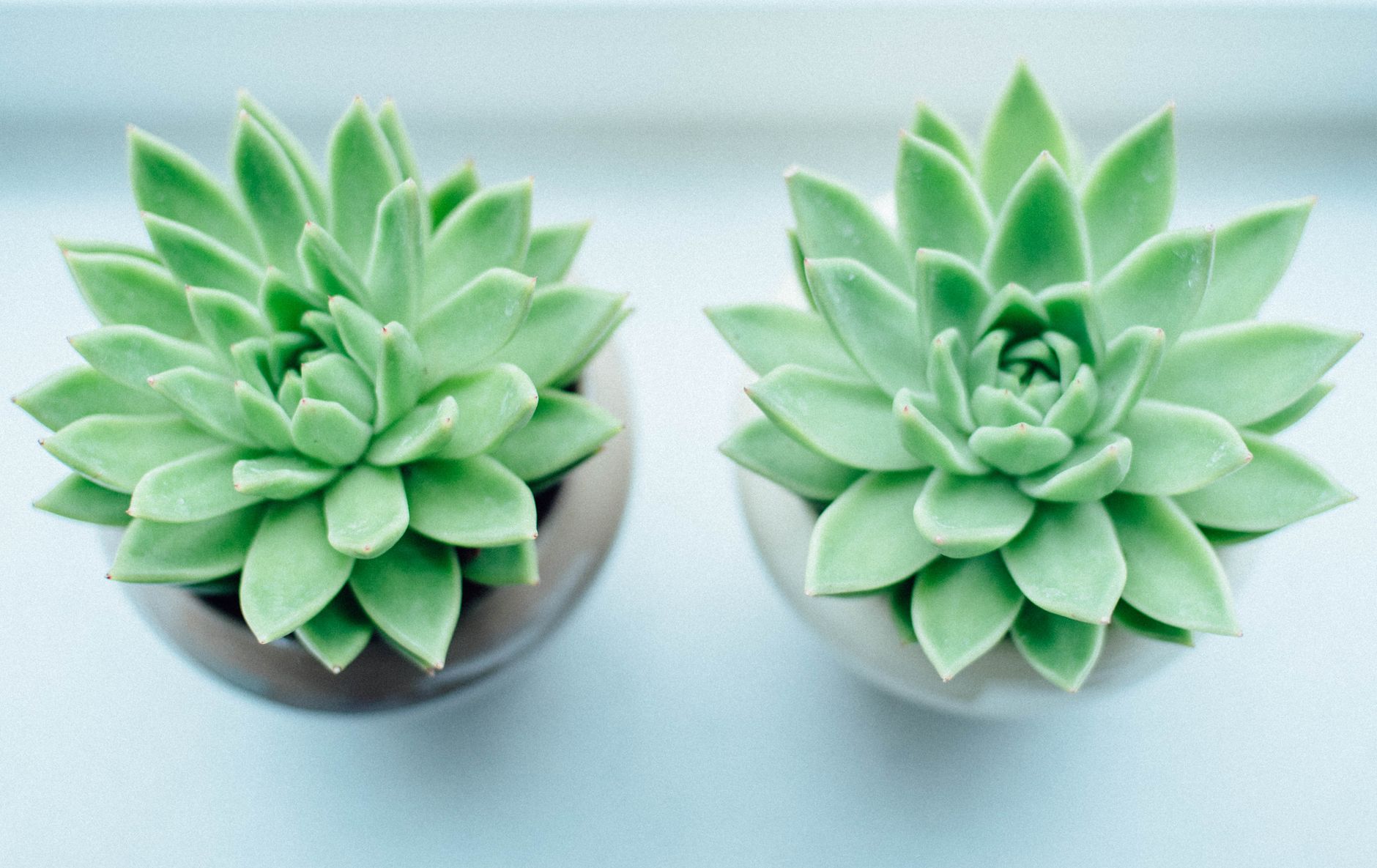

Succulents were my gateway plant. I picked up a little echeveria at a grocery store checkout line — you know the ones, sitting there looking adorable next to the candy bars — and I thought, “How hard can this be?”
Harder than I expected, honestly. I killed that first one within two months. Overwatered it into oblivion. The leaves got mushy and the stem turned to mush and I felt terrible about a plant I paid four dollars for.
But I kept trying, and now I’ve got a whole windowsill of the things doing great. Here’s everything I wish someone had told me when I started.
Why Succulents Trip Up Beginners
The word “low-maintenance” gets thrown around a lot with succulents, and it’s kind of true — but it’s also misleading. They don’t need much attention, but the attention they do need has to be the right kind.
Most beginner mistakes come from treating succulents like regular houseplants. They’re not. They evolved in desert environments, storing water in their leaves and stems, which means they’re built to survive drought — not soggy soil. The number one killer of succulents is overwatering, and it’s not even close.
Once you understand that, everything else starts to make sense.
Choosing the Right Succulent to Start With
Not all succulents are equally forgiving, and if you’re just starting out, picking the right variety gives you a real advantage.
Most succulents want a ton of direct sunlight — like, outdoor-in-the-desert amounts of sun. That’s tough to pull off in a typical apartment or house. But some varieties are better suited to indoor conditions with indirect light. A few good ones to start with:
- Haworthia — probably the most forgiving indoor succulent. Tolerates lower light better than almost anything else in the family.
- Echeveria — classic rosette shape, handles bright indirect light well.
- Aloe vera — technically a succulent, incredibly resilient, and actually useful.
- Jade plant — slow-growing, tough, and practically indestructible. I’ve got a full profile on the jade plant if you want to dig deeper on that one.
- String of Pearls / Donkey Tail — need a little more light but are great for shelves or hanging planters.
If you’re brand new to plants in general, I’d honestly just grab a Haworthia. Start there. Get comfortable, then expand your collection.
Not sure if succulents are the right starting point for you? Check out my post on the top 3 beginner-friendly houseplants — there are some other solid options in there too.
Light: More Than You Think, But Not Direct Sun
Here’s where a lot of people get confused. Succulents need a lot of light, but indoor succulents usually can’t handle harsh, direct afternoon sun through a window — it can actually scorch the leaves.
What you’re aiming for is bright, indirect light — the kind that’s strong enough to cast a shadow, but not direct sun beating down on the plant. Iowa State University Extension recommends at least 6 to 10 hours of bright indirect light per day for most indoor succulents.
A south- or east-facing windowsill is usually your best bet. If you notice your plant starting to stretch out and get leggy — that’s called etiolation — it’s reaching for more light. Move it closer to a window or grab a grow light.
Speaking of grow lights: if your place doesn’t get great natural light, a full-spectrum LED grow light works well. Planet Desert suggests running grow lights 12–16 hours a day depending on how much natural light your space already gets.
Also — rotate your plants every week or two. Succulents will lean toward the light source and end up lopsided if you don’t.
Watering: The Soak and Dry Method
This is the big one. Get watering right and you’ve solved 80% of succulent problems.
The method is simple: water thoroughly, then wait until the soil is completely dry before watering again. That’s it. This is called the soak-and-dry method, and it works because it mimics how rain actually falls in desert environments — a good soaking followed by a long dry period.
When you do water, pour slowly over the soil until water runs out of the drainage holes. Don’t mist — Architectural Digest notes that misting can cause brittle roots and moldy leaves. And don’t water the leaves directly, especially in humid climates — wet leaves sitting in humidity is a recipe for rot.
How often? It depends on your environment, but a good starting point is every 2–3 weeks. Check the soil before you water — not just the surface, but a few inches down. If it’s still damp at all, wait a few more days.
Two easy ways to check soil moisture:
- The chopstick trick: Stick a chopstick through the drainage hole up into the soil. If dirt sticks to it and feels moist, don’t water yet.
- A moisture meter: Worth the $10–15 if you’re a chronic overwaterer. Takes the guesswork out completely.
Signs you’re overwatering: yellowing leaves, soft or mushy stems, leaves that fall off at the slightest touch. Signs you’re underwatering: wrinkled or shriveled lower leaves. Neither is ideal, but overwatering kills faster.
Soil: It Has to Drain
Regular potting mix holds too much moisture for succulents. It’s formulated for plants that like consistent moisture — that’s the opposite of what you want here.
Grab a bag of cactus and succulent mix from any garden center. It’s coarser and drains much faster. If you want to go a step further, mix it 50/50 with perlite — that extra grit helps water move through quickly and keeps roots from sitting in wet soil.
The goal is chunky, airy soil. Think: small pebbles, coarse sand, pumice. Joy Us Garden puts it well — “chunk in the mix is what you want.” More aeration means less chance of root rot.
Pots: Drainage Holes Are Non-Negotiable
I know those cute ceramic pots without drainage holes are tempting. I’ve been tempted. Don’t do it.
Without a drainage hole, excess water has nowhere to go. It just sits at the bottom of the pot, wicking back up into the roots, and eventually causes root rot. Even if you water carefully, one slightly-too-generous pour and you’re in trouble.
If you absolutely love a pot that has no drainage, use it as a cachepot — put your succulent in a plain nursery pot with drainage holes, then set that inside the decorative pot. Just pull it out to water and let it drain fully before putting it back.
Terra-cotta pots are great for beginners. They’re porous, which means they actually help wick excess moisture away from the soil. They also dry out faster, which makes it harder to accidentally overwater.
One more thing: avoid pots that are way too big for your plant. A pot with too much extra soil holds more moisture than a small plant’s roots can absorb, and that leftover wet soil is where problems start.
Temperature, Humidity, and Fertilizer
Succulents like it warm and dry — no surprises there. Most are happy anywhere between 60–80°F, which is basically normal room temperature. They don’t like cold drafts, so keep them away from AC vents and drafty windows in winter.
High humidity is rough for succulents. If you live somewhere humid (or you’re keeping your succulent in a bathroom), make sure there’s good airflow. A small fan nearby helps a lot.
Fertilizer? Honestly, it’s optional. Succulents are used to growing in poor soil, so they don’t need much. If you want to give them a little boost, use a diluted succulent-specific or all-purpose fertilizer once in spring and once in summer — and cut the recommended dose in half. That’s it. Skip fertilizing in fall and winter when the plant isn’t actively growing.
Common Mistakes to Avoid
Just a quick checklist of the things that get most beginners:
- Watering on a schedule instead of checking the soil first
- Using regular potting mix instead of fast-draining succulent soil
- Planting in a pot without drainage holes
- Keeping the plant in a low-light spot and wondering why it’s stretching
- Misting instead of deep watering
- Not emptying the saucer after watering — letting water sit under the pot is just as bad as waterlogged soil
Once You’ve Got the Hang of It
Succulents are really rewarding once you stop fighting their nature. They want to be left alone most of the time — and honestly, that’s kind of the whole point.
If you find yourself falling down the plant rabbit hole (it happens), you might want to check out some other easy-care plants too. The snake plant and golden pothos are both super forgiving and pair really well with succulents if you’re building out a collection. And if you’re into the wellness side of keeping plants — the stress relief, the air quality stuff — I talk about all of that over in the wellness section.
Start with one plant. Get it right. Then grab another. That’s the move.
If you dig plants and wellness tips, I send a weekly newsletter — join The Green Wellness Weekly here.
Get plant care tips & wellness ideas — join The Green Wellness Weekly.
Leave a Reply