


Everyone loves easy plants. Beginner-friendly houseplants are what get you hooked on plants long enough to try the harder stuff like orchids and ferns and such.
Starting off your Houseplant Homie Journey with resilient plants is the best way to get into the wondrous world of houseplants.
Here are my top 3 favorite beginner-friendly houseplants. These plants can handle a wide range of light and humidity levels on top of being fairly drought tolerant.
Golden Pothos — The Best Starter Plant
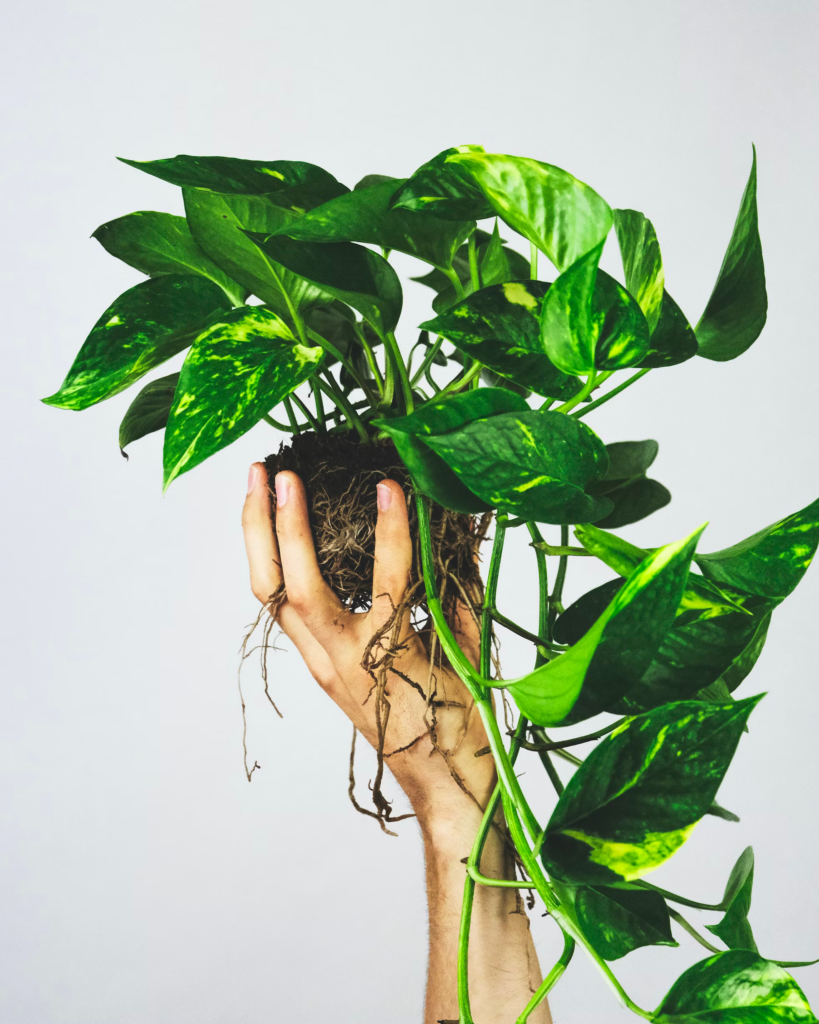
The golden pothos is one of my favorite beginner-friendly houseplants to start with for a number of reasons. Pothos, particularly the Golden Pothos, are very common houseplants. You can find them at your local garden center, Home Depot, the nearest grocery store, or pretty much anywhere.
The Pothos is a very forgiving plant. You can let it go a good 3-4 days past when it should be watered and it will *generally* bounce back once you give it a good soak. You want to wait until the leaves start to look droopy before watering to prevent root rot. There are houseplants out there that start dropping their leaves the second they need water. Luckily the pothos isn’t like that, which is why I always recommend them to plant beginners.
On top of its willingness to withstand abuse, the pothos is really easy to propagate. I took a $15 hanging Pothos from the grocery store, and over time I’ve propagated it into dozens of plants. Some of them are still scattered around my house and others I’ve given away as gifts.
Snake Plant
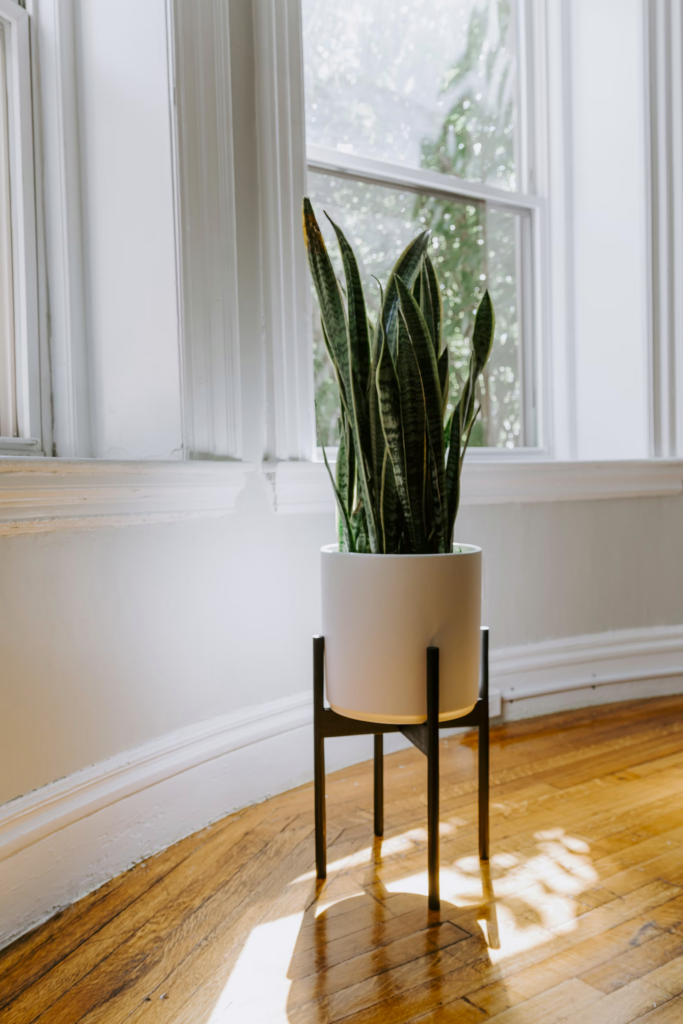
The snake plant, scientifically known as Sansevieria, is a phenomenal choice for beginner plant enthusiasts and anyone looking to add a touch of greenery to their indoor space. Its exceptional adaptability and low-maintenance nature makes it an ideal companion for those just starting their plant journey.
Thriving On Neglect
If you’ve ever heard about the Snake Plant, you’ll have probably heard that this plant “thrives on neglect.” Those rumors are true. Since its firm leaves retain a ton of moisture, the snake plant can typically go 1-2 months between waterings. You are more likely to kill your snake plant by overwatering it than underwatering it.
It can survive in pretty much any lighting conditions, although keep in mind if it’s not getting enough light, new growth may slow down or completely stop.
The snake plant is also great for your indoor environment. It increases humidity through transpiration and — while the famous NASA air purification study showed it can filter certain VOCs — the real benefits are more about stress reduction and the general mood boost that comes from having living greenery in your space. Either way, it’s a plant that gives back more than it asks for.
Overall, the snake plant’s adaptability, resilience, and low-care nature make it a perfect choice for beginners. Its ability to thrive in various light conditions and withstand irregular watering makes it forgiving of occasional neglect. Whether you have limited experience with plants or are simply looking for a hassle-free green companion, the snake plant is an ideal choice that will bring both beauty and calm to your home.
Spider Plant
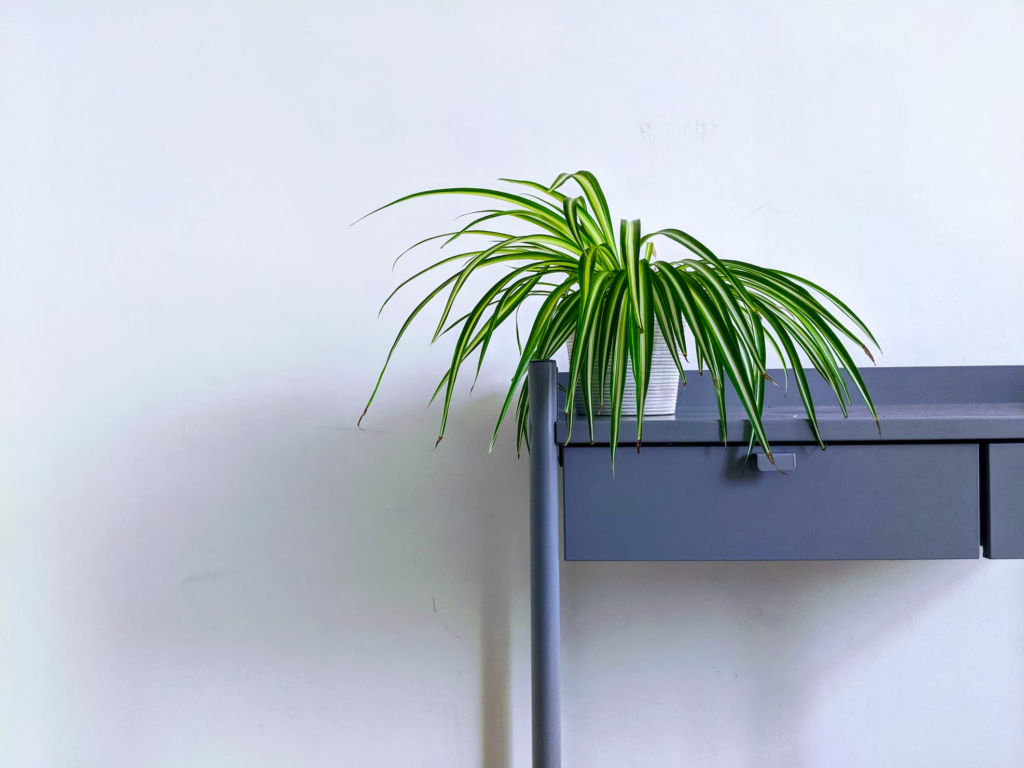
The spider plant, scientifically known as Chlorophytum comosum, is another wonderful option for beginner houseplant homies seeking an easy-to-care-for houseplant.
One of the standout characteristics of the spider plant is its ability to produce numerous offshoots or “spiderettes.” These small plantlets dangle from long, arching stems, resembling spiders hanging from a web, hence its name. Like the pothos, you can easily propagate the Spider Plant, allowing beginners to experiment with plant propagation and expand their plant collection without much effort.
Another advantage of the spider plant is its resilience and adaptability to different light conditions. It can tolerate a wide range of lighting, including both bright indirect light and low-light environments. This makes the spider plant suitable for various areas of your home. This adaptability not only allows it to thrive in different spots but also makes it more forgiving for beginners who may not have the ideal lighting situation in their living space.
Get plant care tips & wellness ideas — join The Green Wellness Weekly.
Leave a Reply