
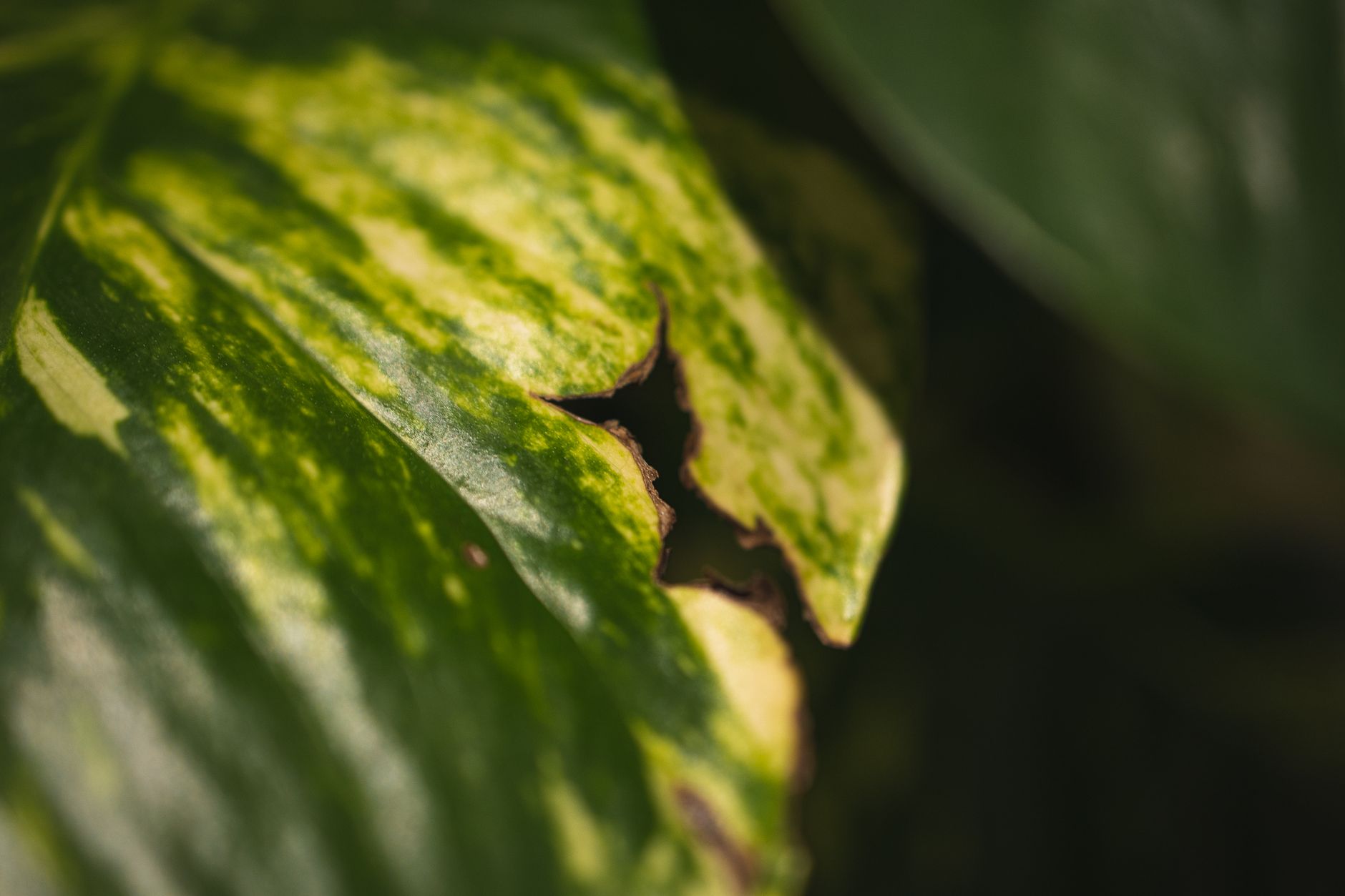

So you walked past your pothos this morning and noticed a leaf — or a few — had gone full yellow on you. Not a little pale. Full-on yellow. And now you’re spiraling.
I’ve been there. Pothos are supposed to be bulletproof, right? They’re literally on every beginner plant list I’ve ever written. But that reputation can make it extra confusing when yours starts showing signs of stress.
Here’s the good news: yellow leaves on a pothos are almost always fixable. You just have to figure out why it’s happening first — and that’s exactly what this post is for.
First: Don’t Panic Over One Yellow Leaf
Before you start repotting, changing your water schedule, and buying a grow light — take a breath. A single yellow leaf near the bottom of the plant is often just aging. Older leaves die off naturally as the plant puts energy into new growth.
If it’s just one or two leaves near the base and everything else looks fine, you might not have a problem at all. Snip them off, move on.
Now, if you’re seeing multiple yellow leaves, yellowing across different parts of the plant, or the yellowing is paired with mushy stems or crispy edges — that’s when it’s worth digging in (sometimes literally).
The Most Likely Reason: Overwatering
I’ll just say it upfront — overwatering is the number one cause of yellow pothos leaves. By a wide margin. Most of us water our plants too much, too often, and with too much love.
When the soil stays soggy, the roots can’t get the oxygen they need. That leads to root anoxia — basically the roots suffocating — which then blocks nutrient absorption. The leaves turn yellow because the plant literally can’t feed itself properly, according to Blooming Expert.
In serious cases, overwatering leads to root rot. That’s when things go from “a few yellow leaves” to “I might lose this plant.”
How to Tell If It’s Overwatering
- Leaves are yellow and soft or slightly mushy
- Soil feels wet even a week after watering
- There might be a musty smell coming from the pot
- Brown spots showing up alongside the yellow
The Fix
Let the soil dry out completely before watering again. Stick your finger about two inches into the soil — if it’s still damp, wait. If the roots smell rotten when you check, you may need to take cuttings and start fresh.
Going forward: water less, and make sure your pot has drainage holes. No drainage = wet feet forever.
Could Also Be Underwatering (Less Common, But Real)
On the flip side, an extremely thirsty pothos can also yellow out. Without water, the plant can’t run photosynthesis, chlorophyll breaks down, and the leaves lose their green.
The difference here is texture. Underwatered leaves tend to look dry — crispy edges, maybe curling, and the soil will be bone dry and pulling away from the sides of the pot.
If that’s what you’re seeing, give it a good soak (set it in a bowl of water for 20-30 minutes so it can absorb from the bottom), and then settle into a more consistent watering routine.
Light Problems: Too Much or Too Little
Pothos are flexible with light, but they’re not infinitely flexible. Both extremes can cause yellowing — just in slightly different ways.
Too much direct sun scorches the leaves and can bleach them out. Penn State Extension confirms that direct sunlight causes leaf yellowing and damage in pothos — the fix is moving the plant back a foot or two from the window, or hanging a sheer curtain to diffuse the light.
Too little light slows down photosynthesis, which means chlorophyll production drops and leaves go pale and yellow. If your pothos is in a dark corner and slowly losing color all over, that’s probably your issue.
The sweet spot is bright, indirect light. An east-facing window is honestly ideal — gentle morning sun, nothing harsh. My golden pothos lives about four feet from a south-facing window with a sheer curtain and it’s thriving.
Nutrient Deficiency (Usually in Older Plants)
If you’ve had your pothos for a few years and never fertilized it, nutrient deficiency might be creeping in. This is less common in younger plants, but it adds up over time.
The tricky part is that different nutrient deficiencies look different, as Growfully explains:
- Nitrogen deficiency: Even, uniform yellowing on older leaves while new growth at the tips stays green. Most common deficiency to see.
- Potassium deficiency: Yellow edges on the leaves, almost like a border.
- Magnesium deficiency: Yellowing between the veins, but the veins themselves stay green (called interveinal chlorosis).
- Iron deficiency: Similar to magnesium, but shows up on newer leaves instead of older ones.
When a plant runs low on nitrogen — a mobile nutrient — it actually pulls it from its oldest leaves and redirects it to new growth. So the newest leaves look fine while the old ones go pale. That’s a sign the plant is essentially cannibalizing itself to survive.
The Fix
Start fertilizing. A balanced liquid fertilizer (something like 10-10-10) every 4-6 weeks during the growing season is usually enough. If the plant hasn’t been repotted in years, fresh potting mix can also help replenish depleted nutrients.
Pests: The Sneaky Culprit
Sometimes the yellowing isn’t about water or light at all — it’s bugs. Mealybugs, spider mites, and scale insects can all drain the life out of your pothos leaves and cause yellowing.
Check the undersides of the leaves. Mealybugs look like tiny white cotton puffs. Spider mites leave fine webbing. Scale insects look like small brown bumps on the stems.
Martha Stewart’s plant experts note that mealybugs and scale can also leave behind a sticky residue called honeydew — if your leaves feel tacky, that’s a red flag.
Neem oil or insecticidal soap are usually a good first line of defense. Treat every few days for a couple of weeks to make sure you get the eggs too.
Other Causes Worth Mentioning
A few less common but real reasons your pothos might be yellowing:
- Repotting stress: If you just moved your plant to a new pot, some yellowing in the first few weeks is normal. Give it time to adjust.
- Temperature stress: Pothos don’t love cold drafts or temps below 50°F. If it’s near an AC vent or a drafty window in winter, that could be a factor.
- Root bound: A seriously crowded root system can stress the plant and cause yellowing. If roots are coming out the drainage holes, it’s time to size up.
Should You Remove Yellow Leaves?
Honestly, it depends. If the leaf is yellowing due to age or nutrient issues, it’s not a bad idea to leave it until it’s fully yellowed — the plant can actually reabsorb some of the nutrients from the dying leaf before you snip it.
But if the yellowing is from overwatering or rot, clip those leaves off. They’re not coming back, and leaving them won’t help the plant.
Either way, once a leaf goes yellow, it’s not turning green again. That’s just not how plant biology works. Your goal is to stop more leaves from going yellow — not to reverse the ones that already have.
Quick Diagnosis Checklist
If you’re not sure what’s causing the yellowing, work through this in order:
- Check the soil — is it wet or dry? (Rules out over/underwatering first)
- Look at the roots — any mushiness or smell? (Checks for root rot)
- Assess the light — direct sun hitting it? Or is it in a dark corner?
- Inspect the leaves — check undersides for bugs or sticky residue
- Think about fertilizing — has it been more than 6 months? More than a year?
- Consider recent changes — did you repot? Move it? Is it near a vent?
Go through that list and you’ll probably find your answer. Pothos are pretty good at telling you what they need — you just have to know what to look for.
Keep Learning About Your Pothos
If you want to go deeper on pothos care, I’ve got a full golden pothos plant profile that covers watering, light, soil, and more. And if you’re dealing with an overgrown plant and want to make more from what you’ve got, check out my guide on how to propagate golden pothos — it’s easier than you’d think.
Also worth checking out if you’re newer to houseplants: my top 3 beginner-friendly houseplants. Pothos made the list, obviously.
And if you want more plant troubleshooting and wellness content in your inbox, I send a weekly newsletter — join The Green Wellness Weekly here.
Get plant care tips & wellness ideas — join The Green Wellness Weekly.
Leave a Reply