
I’ve been using a standing desk for a few years now, and it’s been great for my back and my energy levels. But I noticed I was still just… standing there. Stationary. For hours. Which is better than sitting, sure, but it’s not exactly active.
Then I got a balance board for like $15 on Amazon, and it’s been one of those small purchases that punches way above its weight.
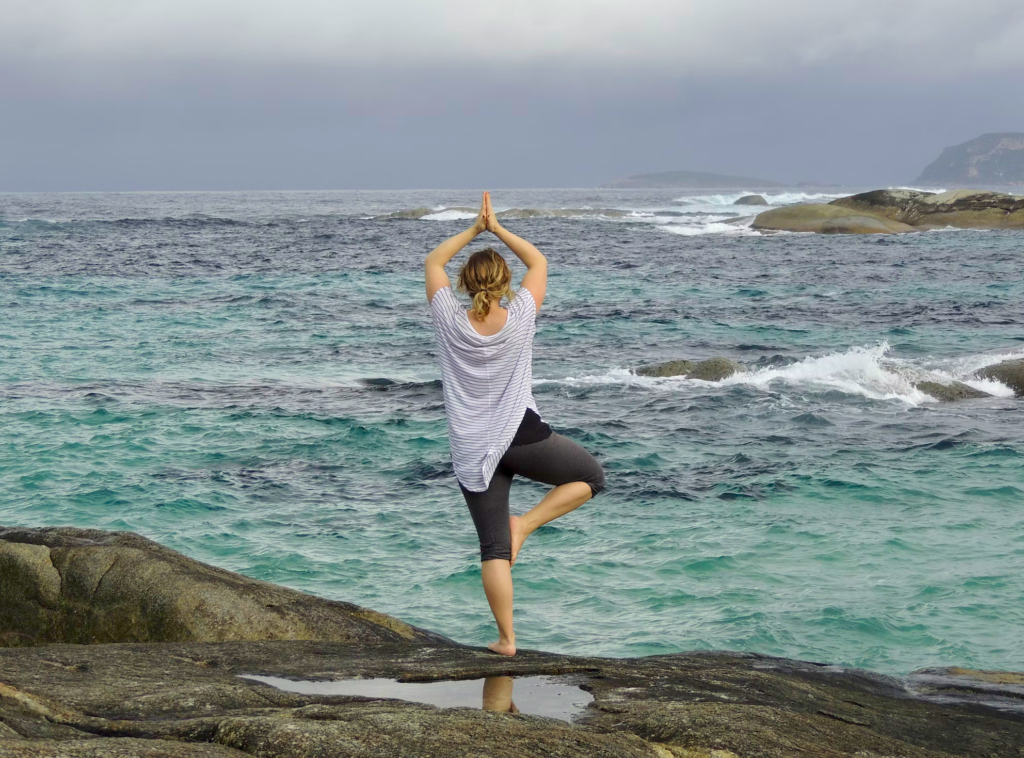
The idea is simple: it’s a flat board on a rounded fulcrum. You stand on it while you work, and the instability forces you to make constant micro-adjustments to stay balanced. Those tiny movements engage your core, improve your circulation, and keep your body active without you really thinking about it.
What It Actually Does for Your Body
Better Posture
A standing desk is great, but you can still slouch while standing. The balance board makes slouching harder because your body is constantly making small corrections to stay centered. I’ve noticed my shoulders sit better and my lower back doesn’t get that achey feeling at the end of the day anymore.
Core Engagement
It’s not a workout — you’re not going to get a six-pack from standing on a balance board. But you ARE engaging your core muscles all day in a low-level, sustained way. Over time, that adds up. My core feels noticeably stronger than before I started using one.
Circulation
Standing still for hours can cause blood to pool in your legs — that’s why your feet get sore and swollen at a standing desk. The constant micro-movements on a balance board keep your blood flowing. I used to take my shoes off by 3 PM because my feet were killing me. That doesn’t happen anymore.
The Mental Health Side
This is the part that surprised me. The physical movement — even though it’s subtle — has a real impact on focus and stress.
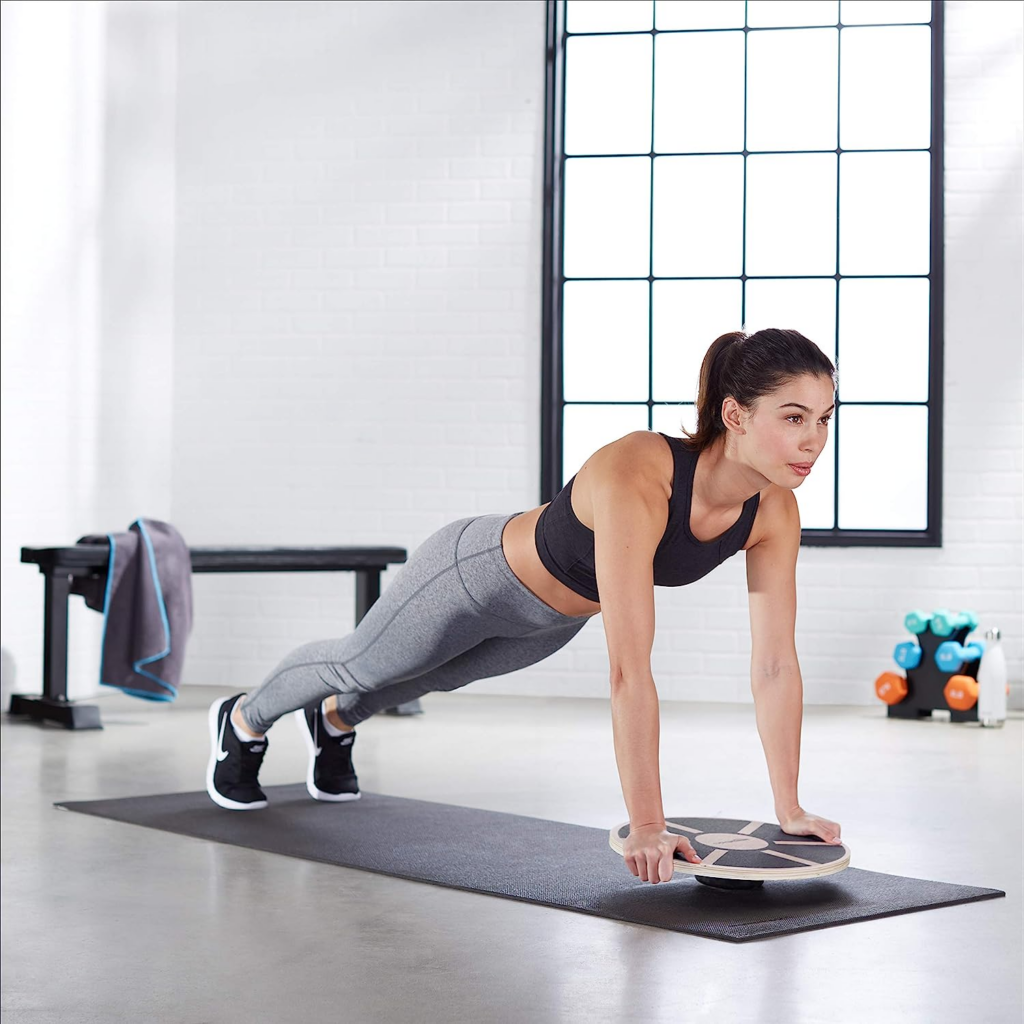
When I’m on the balance board, I find it easier to stay in a flow state. There’s something about the gentle physical engagement that keeps my brain from wandering as much. And on stressful days, the movement is genuinely calming — you can’t overthink when part of your brain is making sure you don’t fall over.
Tips If You’re Getting Started
- Start with short sessions. Maybe 30 minutes at a time. Your feet and legs need to adjust.
- Roll your ankles out first. A quick ankle stretch before stepping on prevents any weirdness.
- Make sure your floor isn’t slippery. Carpet or a rubber mat works. Hardwood can let the board slide.
- Take breaks. Alternate between the board, standing flat, and sitting. Variety is the point.
- Don’t overthink it. Just get on the thing and work. Your body figures it out fast.
You Don’t Need an Expensive One
I bought the Amazon Basics balance board for around $15. It works just as well as some of the fancier options (like this $72 board). The surface is textured, the fulcrum is sturdy, and it’s held up great. This is one of those things where you don’t need to spend a lot of money to get a lot of value.
Seriously, if you already have a standing desk, a balance board is the best $15 upgrade you can make. Your back, your core, and your focus will all thank you.